PLAY
Uncovering intrinsic customer value in SDV(Software-Defined Vehicle) based on user research for U.S. and China Market

Client

Project Period
2025
Deliverables
Consulting Report
Objectives.
With the role and appearance of automobiles changing due to DV (Software-Defined Vehicle), Hyundai Motor Group conducted a project with the goal of successfully entering the rapidly growing European EV market and securing a stable competitive advantage by discovering EV differentiation factors from the perspective of European customers and deriving directions for commercialization.

Approaches.
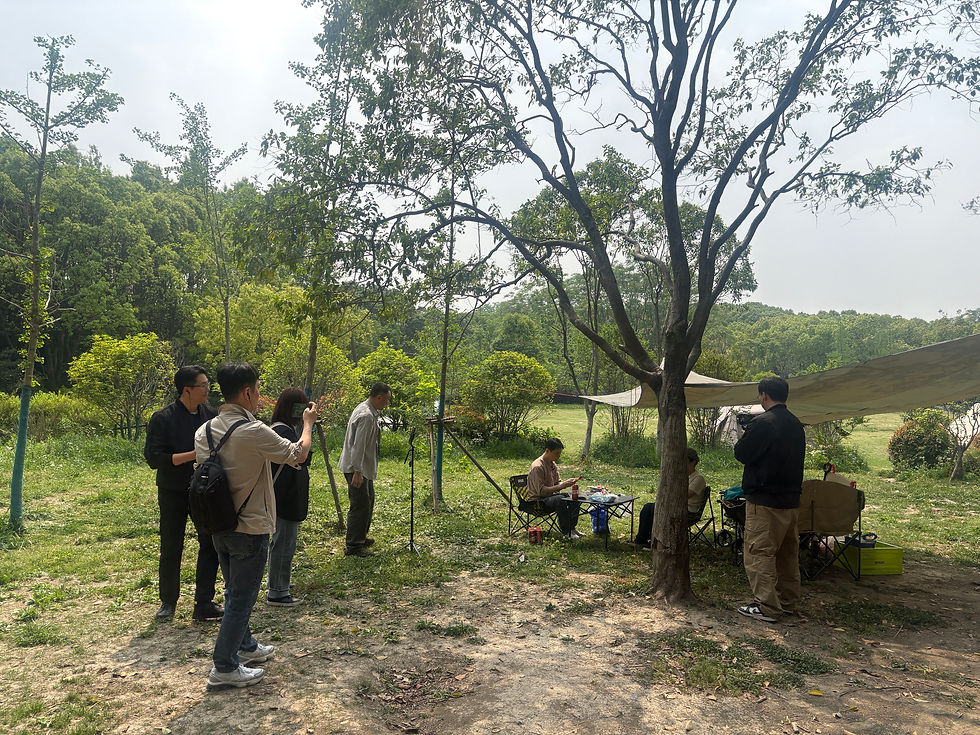
Hyundai Motor Company is working hard to make its vision of “Unlocking the Software Age” a reality by announcing a specific roadmap for SDV conversion and developing a next-generation common platform that will serve as the foundation for this vision. To uncover the intrinsic value of SDVs that will influence actual customer purchasing motivations, we conducted research on the behavior and needs of users in the United States, which is expected to become the representative market, while also investigating the current status of China, which is emerging as a leading SDV market, and conducting ethnography-based research targeting users in China. Through this research process, we aimed to define the customer-perspective value proposition for SDVs, which had previously been communicated solely in technical terms, and to establish strategic directions for new product planning based on this definition.


Findings.
“When Europeans think of electricity, they think of the benefits of electronics beyond the power source, and when it comes to purchasing electric vehicles, they are not just looking for a change in powertrain, but also for the
additional benefits (convenience, versatility) that electricity-powered electronics have been providing.”
American consumers expect learning-based active support based on their movement patterns through “me”-centered smartness based on personalization and situational awareness, and they want a system that provides a sense of growth through updates. This is a new characteristic that has emerged as vehicles have shifted from hardware-centric to software-centric, and it is a value commonly found among Tesla users compared to other vehicle drivers. Additionally, there is an expectation for evolution toward a “family smart” concept that recognizes and adapts to the preferences and situations of not only the driver but also passengers, particularly family members. This represents a shift in values compared to previous expectations. Through this, U.S. consumers seek to enhance the quality of their daily lives by saving time and improving efficiency, and they desire a flexible platform that can be expanded according to user needs through more personalized experiences than before. Furthermore, given the regional characteristics of the United States, consumers view the ability to alleviate anxiety about unpredictable situations and consistently provide stable experiences as a crucial foundation of smartness. In this regard, they recognize that software-centric tools must be reliable systems. Finally, American consumers expect software-based vehicles to expand beyond merely being a means of transportation from point A to point B, to play a role in supporting users' overall lifestyles. The concept of vehicles is expanding from a means of transportation to a living space, work space, and recharge space, requiring fundamental changes in vehicle design and functional design. An approach that considers the overall living experience within the vehicle is necessary, going beyond simply improving the driving experience. At the center of all these changes is AI, which must be able to understand and optimize user behavior, intentions, and surrounding context.
Chinese consumers are already experiencing the smartness of AI and software-based solutions applied to all aspects of their lives, and their expectations are higher than those of consumers in other countries. They want to enjoy smartness in various areas such as driving, living, work, and growth based on personalization (Me-Fit), which is a characteristic of software. The utility of SDVs that Chinese consumers expect in terms of vehicle use includes reducing the burden of operation during driving and unrestricted software use. They aim to minimize the burden of driving as labor and consider vehicle usage experiences as a software platform for creating additional value. To achieve this, Chinese consumers require that the hardware (H/W) of SDVs meet basic conditions such as vehicle computer performance and battery performance, and they demand hardware configurations that can utilize all five human senses beyond vision and hearing to achieve smart functionality.
Ultimately, while there are slight differences between countries, to enter the SDV market and secure a competitive advantage, it is essential to implement and provide software that reflects the rapid evolution of consumer perception and expectations regarding smartness—from “driving assistance” to “life extension”—along with increased demands for personalization, while considering the cultural and environmental characteristics of each market. Preparing the foundation for this—an open platform—is a key point in securing a competitive advantage in the next round of competition.


